Launch offer — valid today only

📄 Digital book in PDF · read it on your phone or print it

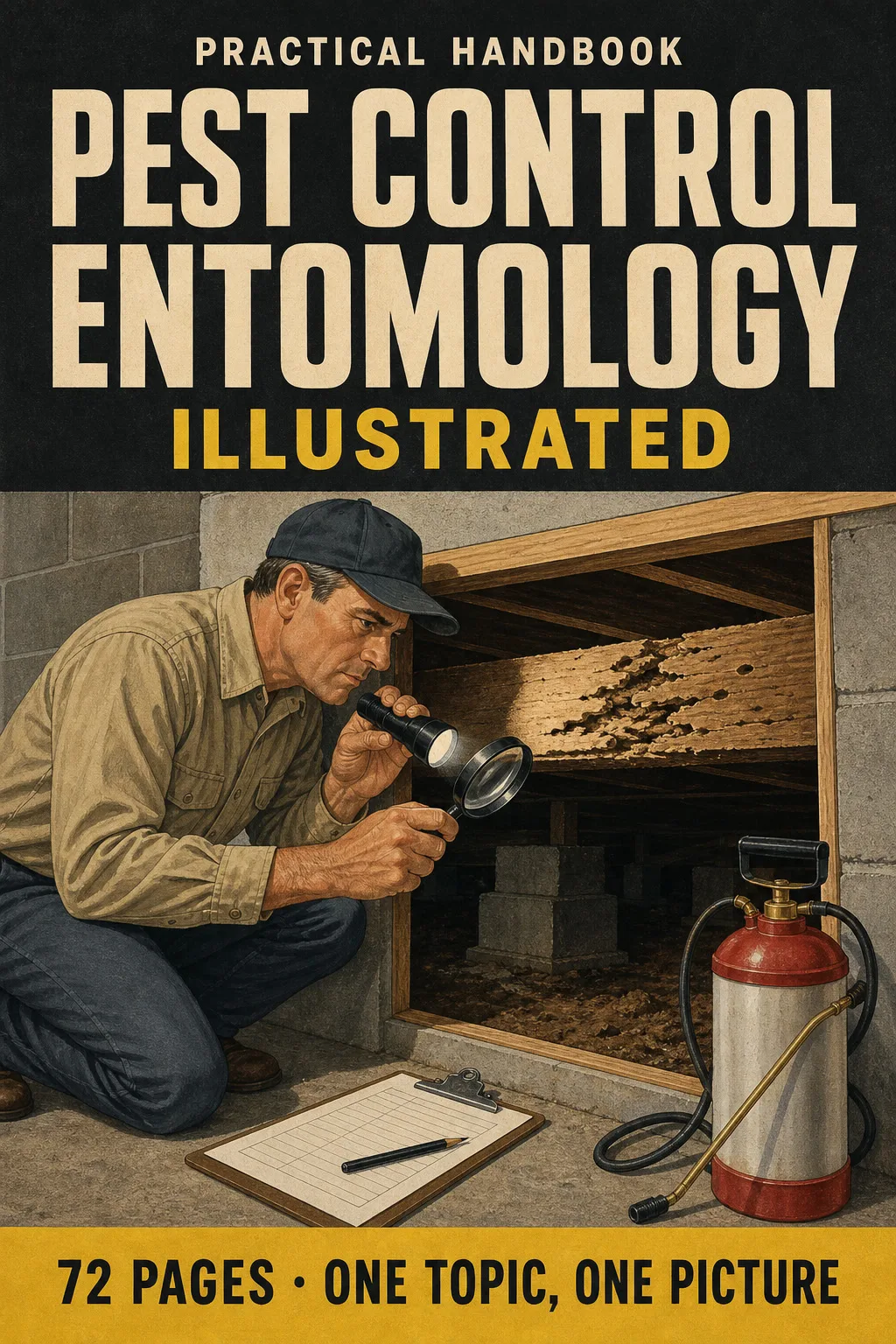
ACE Exam: Insects, Pests and IPM in Drawings Pest ID in 4 Checks, Always in the Same Order

Insect anatomy, the 4-step ID key, cockroaches, ants and termite swarmers, bed bugs, mosquitoes and ticks, pantry pests, IPM thresholds and label math. Every topic gets its own page: the drawing first, then what you need to remember. 72 illustrated pages.

START STUDYING THIS WAY

🔒 Secure checkout · PDF by email · 30-day guarantee

Every topic, its own pageEach pest and each ID step drawn, with the explanation right beside it
72 illustrated pages9 parts, from the insect body to the exam-week checklist
Up-to-date sourcesESA's ACE exam topics and EPA label guidance (FIFRA); state rules marked VERIFY
PDF by emailFormat

Look Inside the Book

Every page has one big drawing and a box with the features, numbers and steps you need to know:

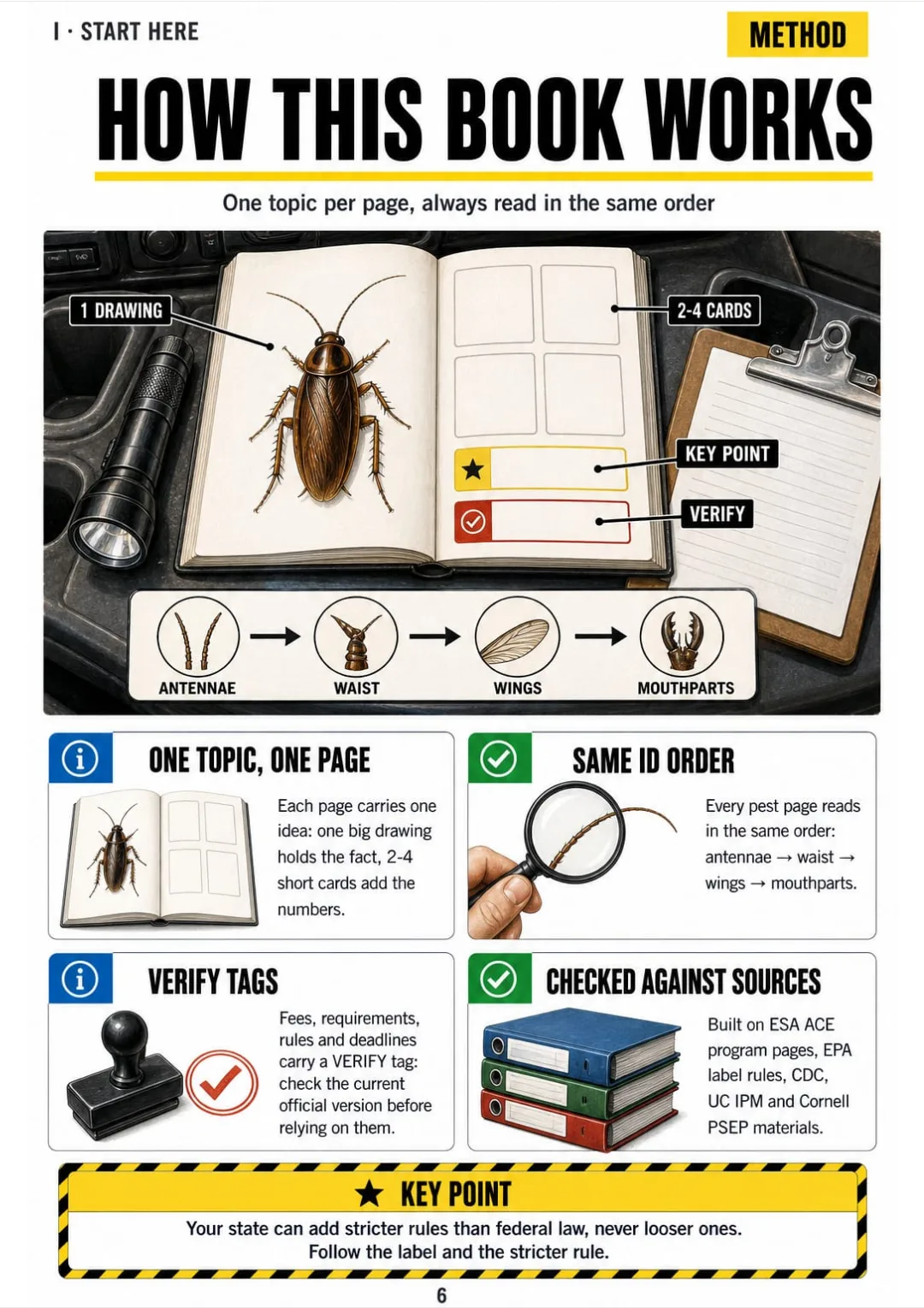
One topic per page · same ID order every time: antennae → waist → wings → mouthparts
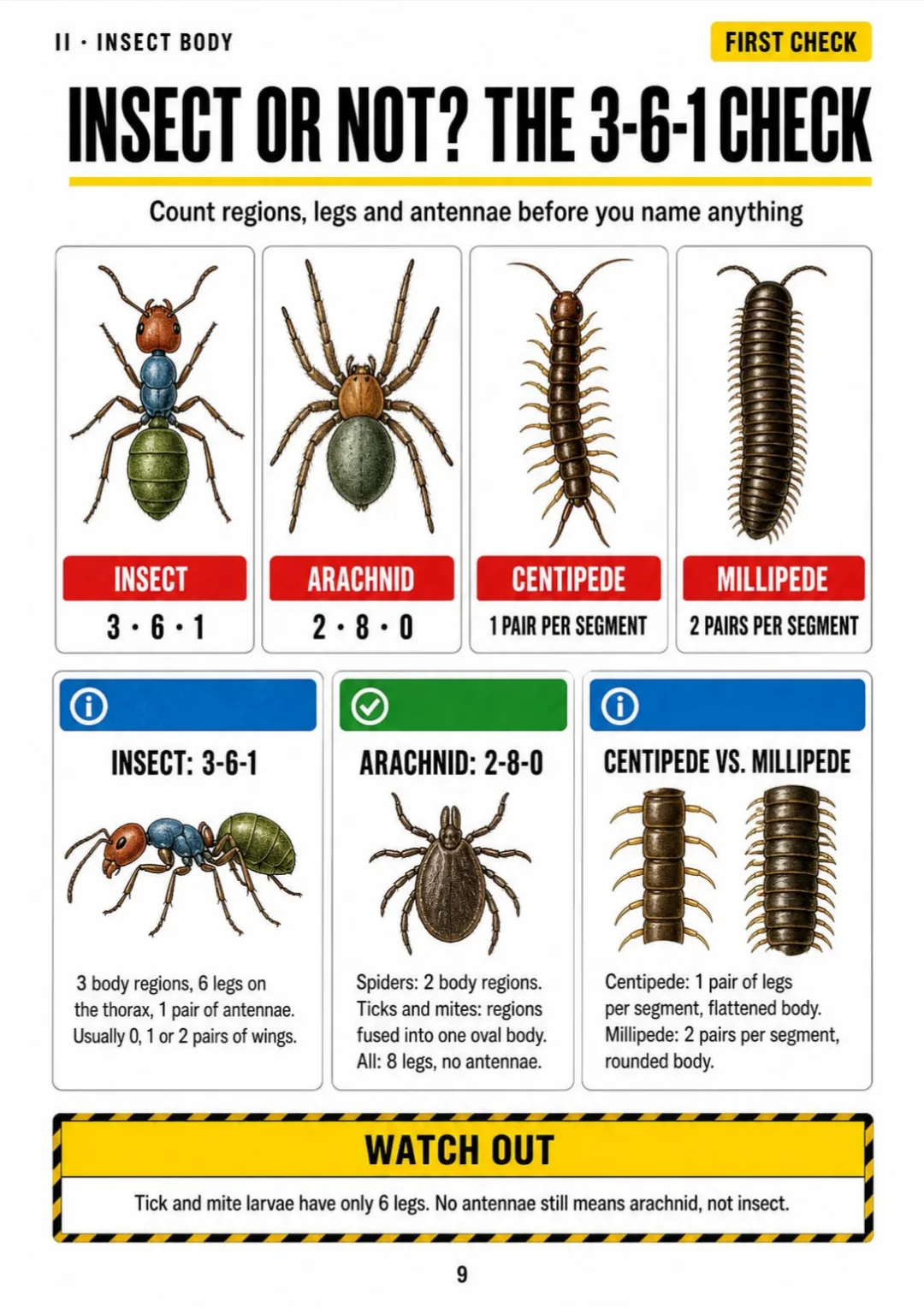
Insect 3-6-1 · arachnid 2-8-0 · centipede 1 pair, millipede 2 pairs per segment
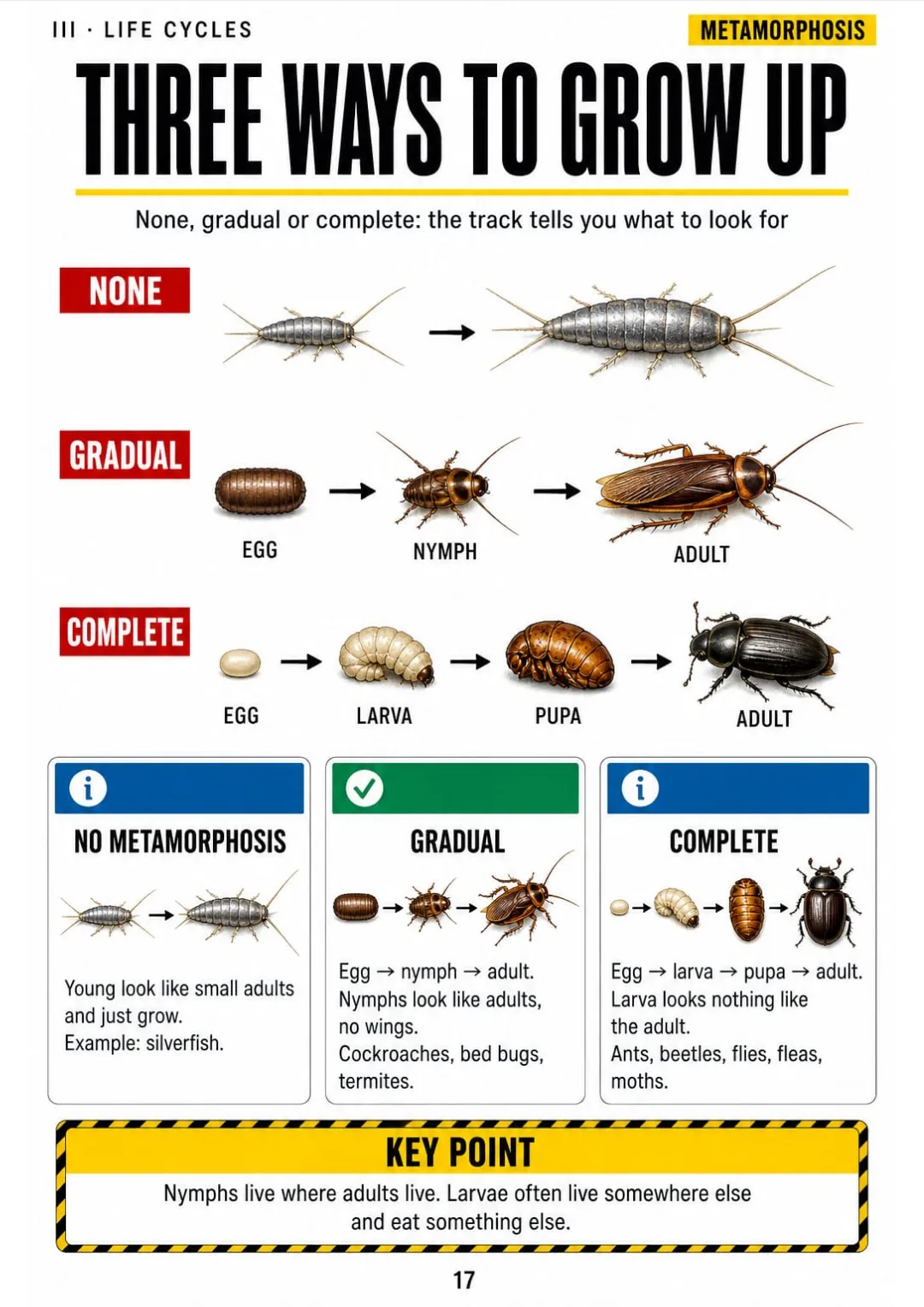
No metamorphosis, gradual (egg–nymph–adult) and complete (egg–larva–pupa–adult), drawn as three tracks.
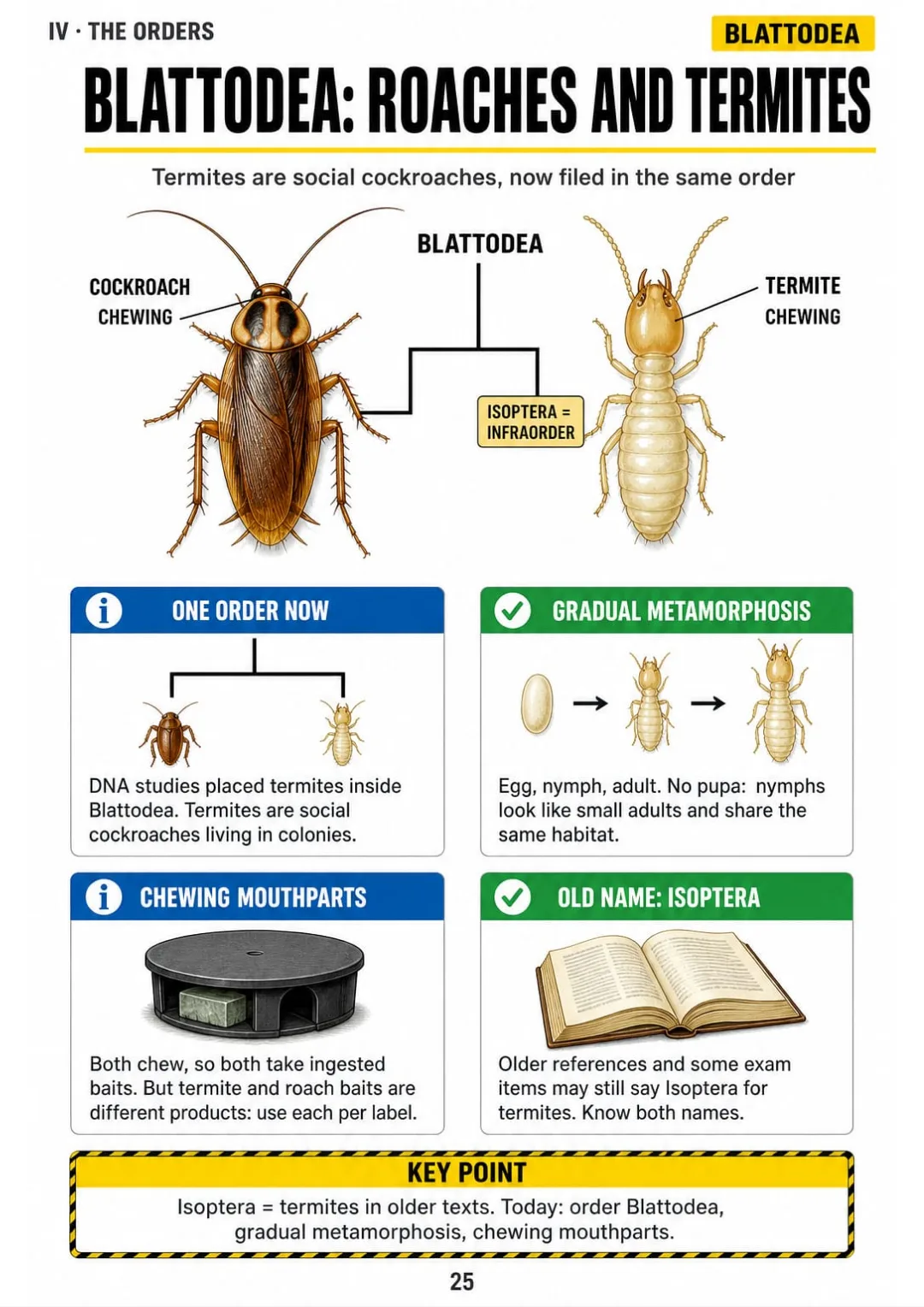
Termites moved into Blattodea: gradual metamorphosis, chewing mouthparts, old name Isoptera.
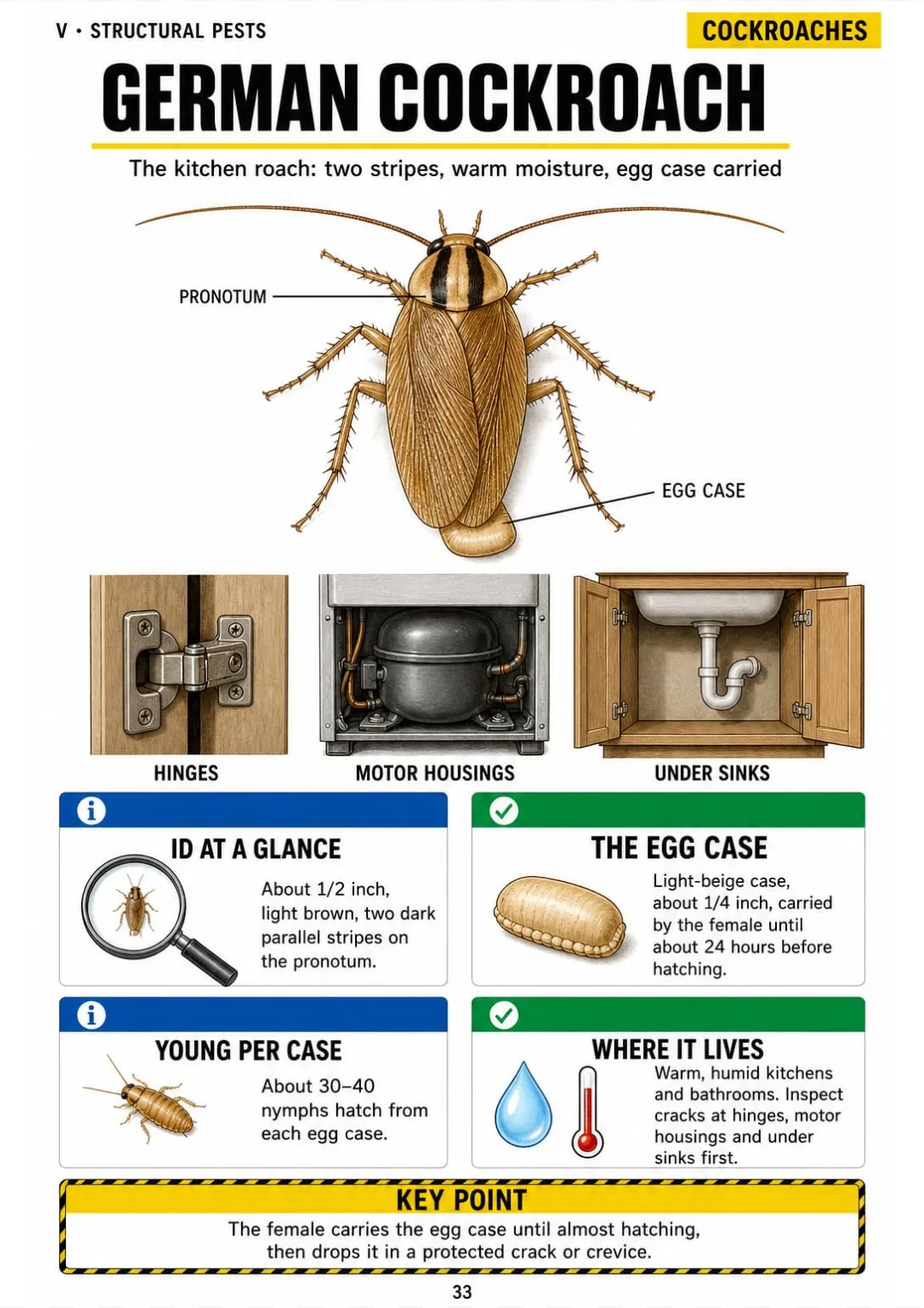
German cockroach: 1/2 inch, 2 stripes on the pronotum, about 30–40 young per egg case
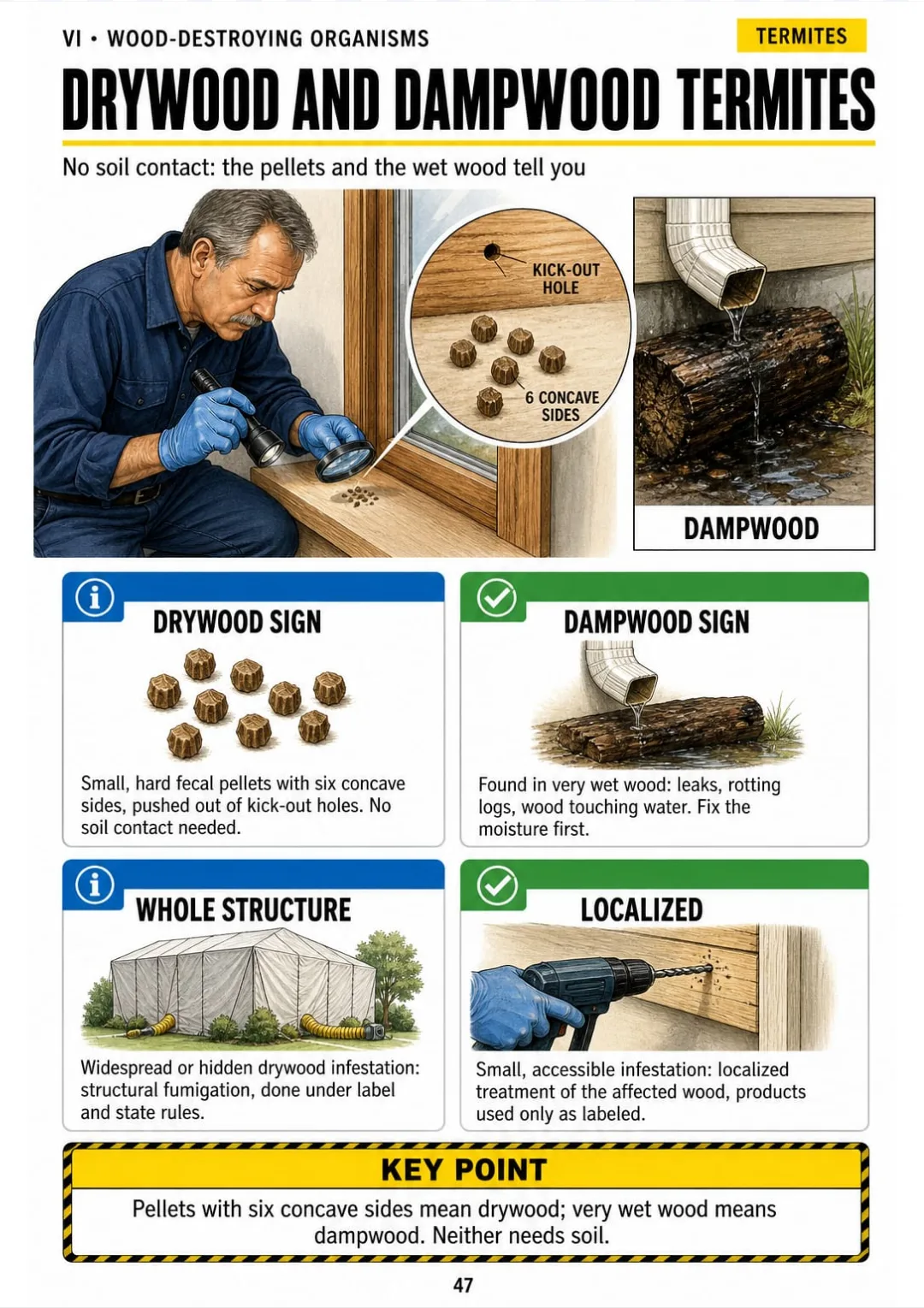
Drywood: hard six-sided pellets from kick-out holes. Dampwood: very wet wood. Fumigate or treat locally.
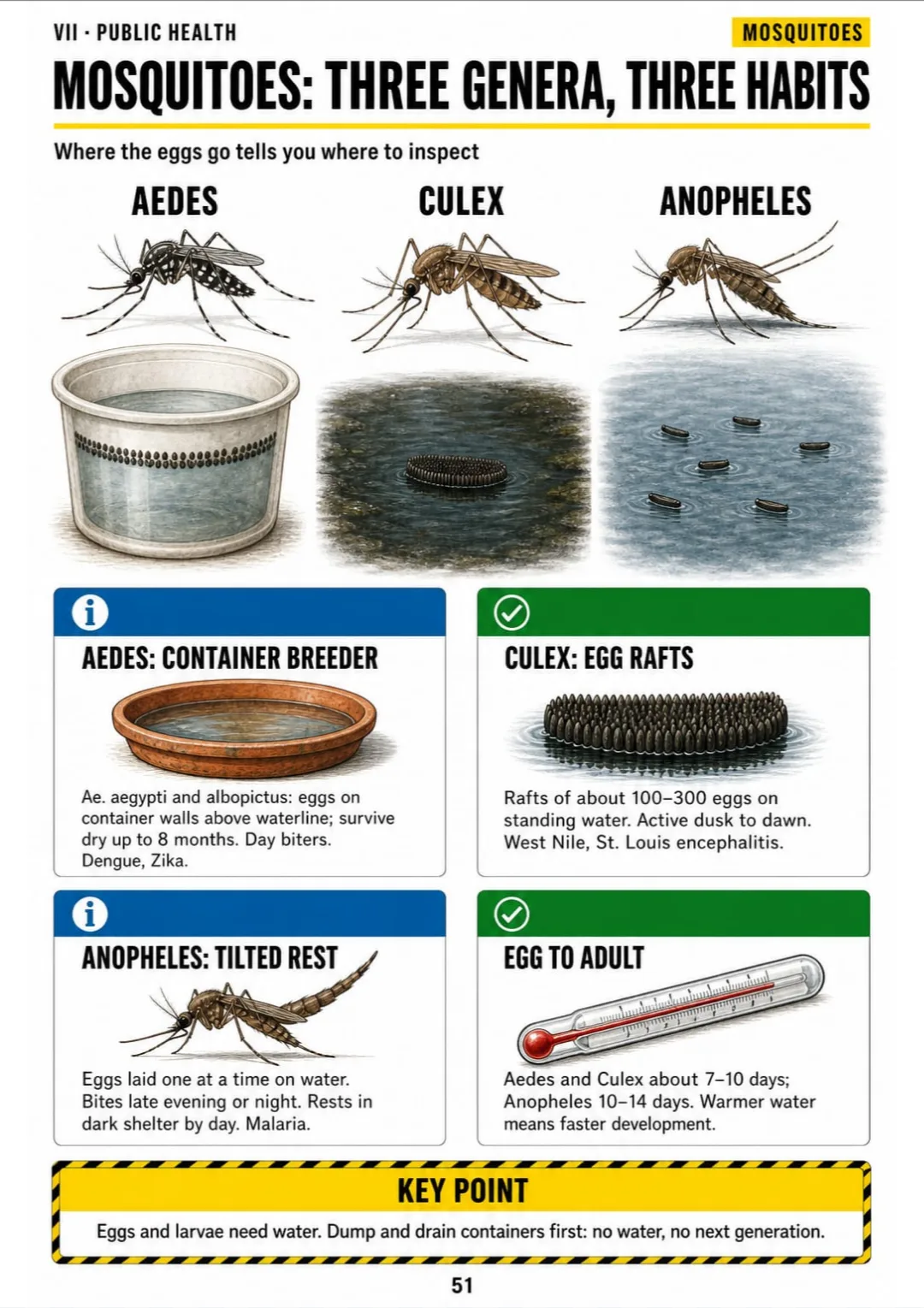
Aedes on container walls, Culex in rafts, Anopheles one by one: three habits on one page
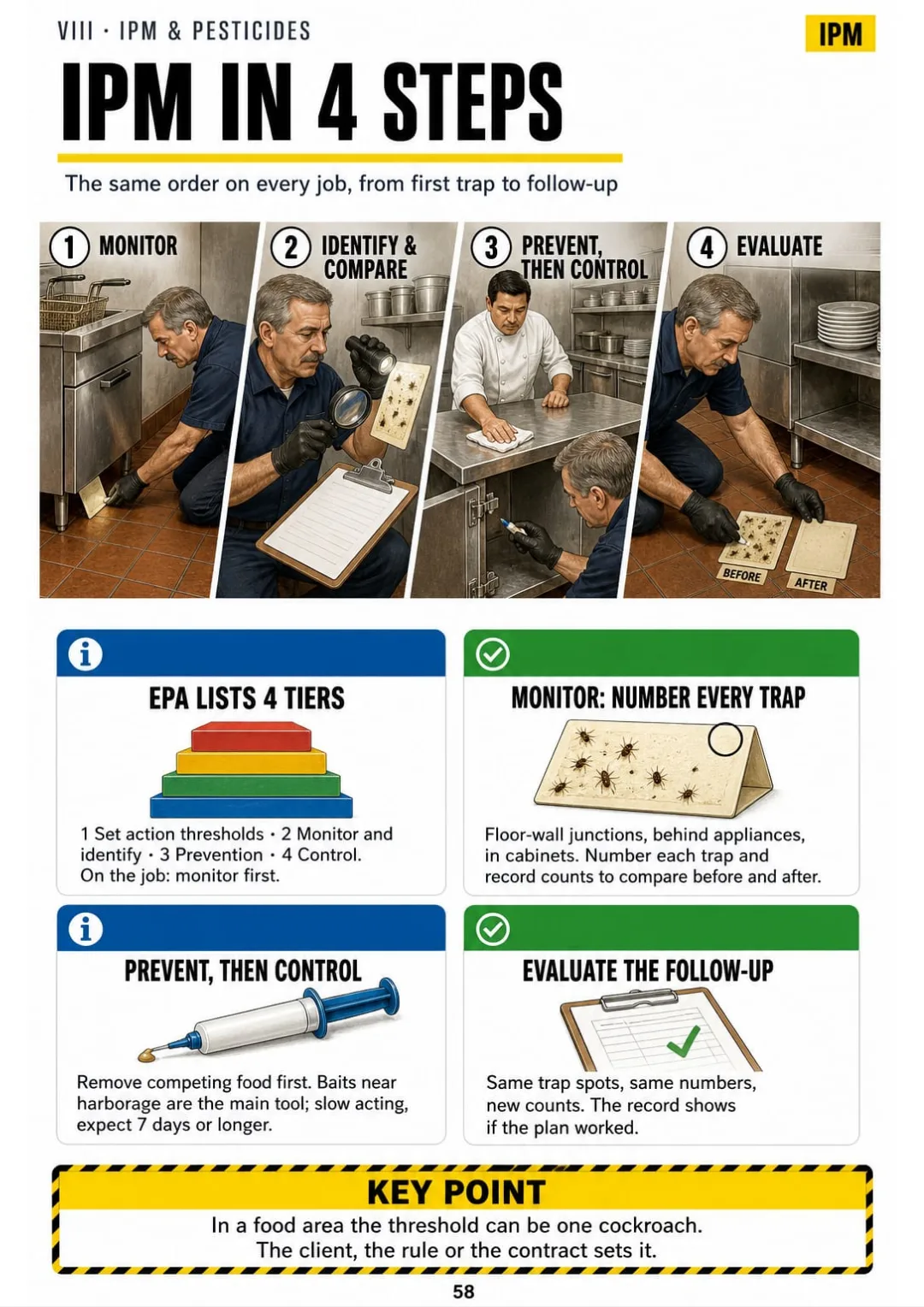
EPA's 4 IPM tiers, worked through a restaurant German cockroach account

Swipe to see more →

These are real pages from the book. The table of contents is the full one: 9 parts and 67 topics.

The Problem Isn't You. It's How It Was Explained to You.

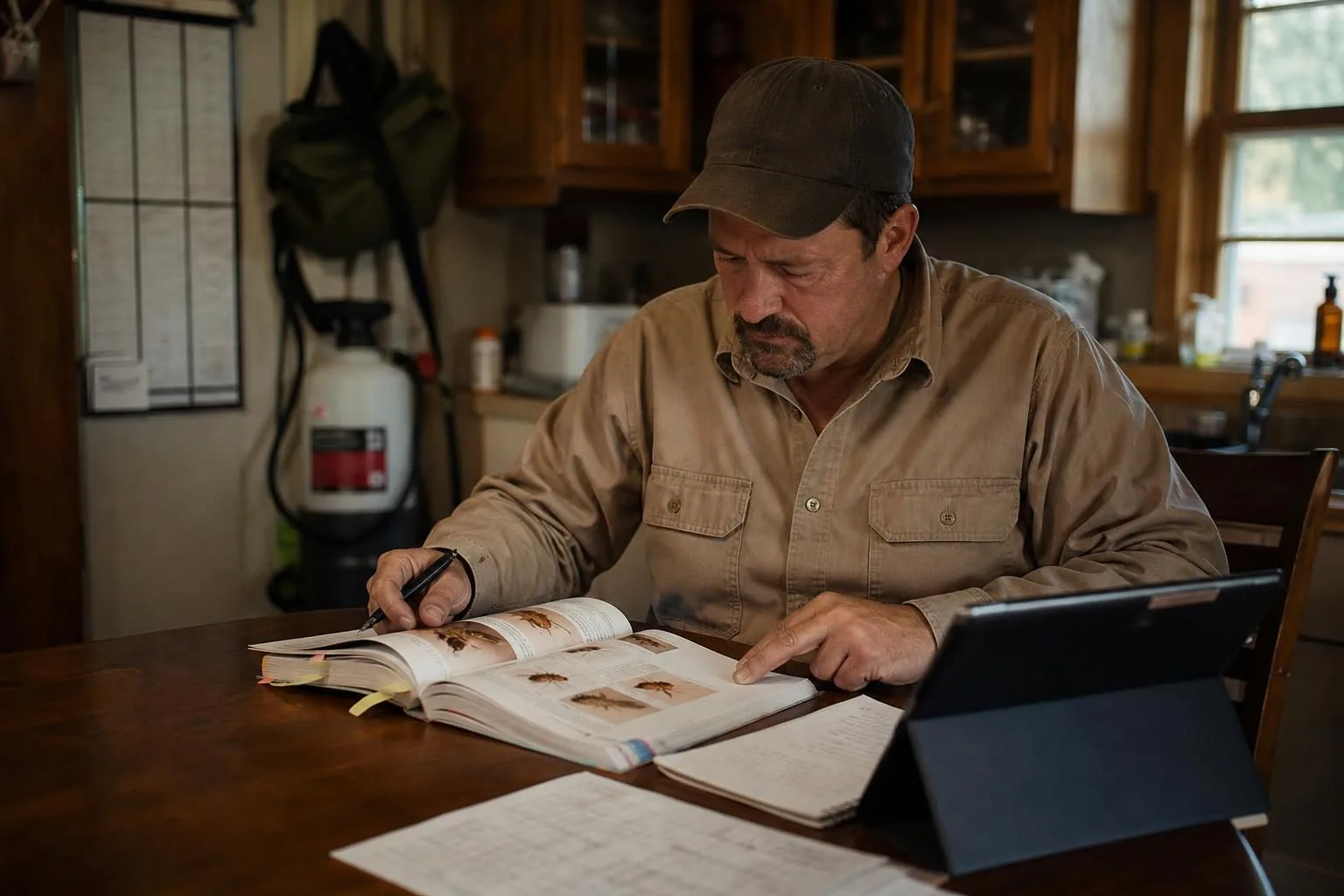
You're at the kitchen table after the route with the ACE manual open to life cycles, and the question asks which insect has a pupal stage. You've seen these bugs for years, but the terms run together.

The manual covers it in paragraphs: ametabolous, hemimetabolous, holometabolous, instars, nymphs. Three long words and no picture to hang them on. By morning they've traded places.

No metamorphosis, gradual (egg–nymph–adult) and complete (egg–larva–pupa–adult), drawn as three tracks.

In the book, the same topic is three timelines drawn side by side: no metamorphosis, gradual (egg–nymph–adult) and complete (egg–larva–pupa–adult). You can see where the pupa is and where it isn't.

The rest of the book works the same way: the insect-or-not check, ant vs. termite swarmers, the German cockroach, the three mosquito genera, IPM in four steps. Each one has its own page.

So when the question comes up again, on the exam or when a customer asks why the roaches keep coming back, you picture the timeline and answer without going back to the manual.

COMPARE FOR YOURSELF

The Same Topic, Two Ways to Study It

THIS
  • The manual: line after line of text
  • Body regions, legs and antennae described only in words
  • You walk into the exam still unsure
Members of the class Insecta are distinguished from other arthropods by a body divided into three distinct tagmata, namely the head, thorax and abdomen, together with three pairs of jointed thoracic legs and a single pair of antennae. Arachnids, by contrast, present two tagmata, the cephalothorax and the abdomen, four pairs of legs and no antennae, whereas chilopods bear one pair of legs per body segment and diplopods two pairs per apparent segment, a distinction of considerable diagnostic importance in the field.
FOR THIS
  • The 3-6-1 check in one drawing
  • Insect, arachnid, centipede and millipede counts in a box
  • You see it and you get it
Insect 3-6-1 · arachnid 2-8-0 · centipede 1 pair, millipede 2 pairs per segment
CONTENTS

Take a Look at the 9 Parts and 67 Topics

Getting started, the insect body, life cycles and the ID key, the orders, structural pests, wood-destroying organisms, public health and stored product pests, IPM and label math, and a final review: 72 pages, all illustrated

IStart Here · pp. 6-8
  1. How This Book Works
  2. The ACE Exam at a Glance
  3. Reading Scientific Names Without Fear
IIThe Insect Body, Part by Part · pp. 9-16
  1. Insect or Not? The 3-6-1 Check
  2. The Exoskeleton and Why Dusts Work
  3. The Head: Eyes, Ocelli and Antennae
  4. Mouthparts: How a Pest Feeds Tells You How to Control It
  5. The Thorax: Where Legs and Wings Attach
  6. Wing Types Drawn Side by Side
  7. Legs Built for the Job
  8. The Abdomen and the Inside Systems
IIILife Cycles and the ID Key · pp. 17-24
  1. Three Ways to Grow Up
  2. Why the Life Stage Decides the Treatment
  3. Larva Types at a Glance
  4. The ID Key, Step 1: Antennae
  5. The ID Key, Step 2: Waist
  6. The ID Key, Step 3: Wings
  7. The ID Key, Step 4: Mouthparts and Final Check
  8. Collecting and Sending a Specimen
IVThe Orders You Must Know · pp. 25-32
  1. Blattodea: Cockroaches and Termites in One Order
  2. Hymenoptera: Ants, Bees and Wasps
  3. Coleoptera: Beetles
  4. Diptera: Flies and Mosquitoes
  5. Hemiptera: True Bugs
  6. Lepidoptera, Siphonaptera and Psocodea
  7. Small Orders You'll Still Meet
  8. Arachnids and Other Non-Insects
VStructural and Household Pests · pp. 33-44
  1. German Cockroach
  2. American, Oriental and Brown-Banded Cockroaches
  3. Cockroach Baiting and Monitoring
  4. Ants: Reading the Trail
  5. Carpenter Ants
  6. Stinging Insects: Yellowjackets, Paper Wasps, Hornets, Bees
  7. Bed Bugs
  8. Bed Bug Control Options Compared
  9. Fleas
  10. Small Flies and Filth Flies
  11. Spiders You Must Recognize
  12. Occasional Invaders and Fabric Pests
VIWood-Destroying Organisms · pp. 45-50
  1. Ant or Termite Swarmer? The 3-Point Check
  2. Subterranean Termites
  3. Drywood and Dampwood Termites
  4. Termite Control: Liquid Barrier vs. Baits
  5. Wood-Boring Beetles
  6. Carpenter Bees, Wood Decay and the WDI Report
VIIPublic Health and Stored Product Pests · pp. 51-57
  1. Mosquitoes: Three Genera, Three Habits
  2. Mosquito Larvae and Larvicides
  3. Ticks
  4. Lice, Mites and Stinging Pests of Health Concern
  5. Stored Product Pests: Beetles
  6. Indianmeal Moth and Pantry Inspection
  7. Food Facilities and Inspection Standards
VIIIIPM, Pesticides, Label and Calibration · pp. 58-68
  1. IPM in 4 Steps
  2. Economic Injury Level, Economic Threshold, Action Threshold
  3. Control Methods Compared on One Page
  4. Worked IPM Plan: Subterranean Termites and an Account
  5. The Label Is the Law
  6. Signal Words, LD50 and Toxicity
  7. Formulations Drawn Side by Side
  8. Modes of Action and Resistance Management
  9. Mixing Math in U.S. Units
  10. Calibrating a Hand Sprayer and a Spreader
  11. Safety, Drift, Spills and Records
IXReview Before the Exam · pp. 69-72
  1. The Whole ID Key on One Page
  2. Look-Alikes Most Often Confused
  3. Numbers to Have at Hand
  4. Final Checklist: Exam Week and the Job

One Page, One Topic, All Clear

Think of it this way:

A homeowner hands you a jar with a winged insect from the basement and asks whether they should be worried. You have a few seconds to sound sure.

In the book you open the ant or termite page, and the two swarmers are drawn side by side: elbowed vs. straight antennae, pinched vs. broad waist, unequal vs. equal wings. Three checks, always in that order.

German cockroach: 1/2 inch, 2 stripes on the pronotum, about 30–40 young per egg case

Same with the German cockroach, bed bugs, ticks, the Indianmeal moth and calibrating a hand sprayer: each one on its own page.

Pest Control Entomology Illustrated is 9 parts and 67 topics, all drawn, and it ends with a full review: the whole ID key on one page, the look-alikes people mix up most often and the numbers to have at hand.

What you see drawn, you don't have to memorize.

What's Inside Pest Control Entomology Illustrated:

Ipp. 6-8

Start Here

Start here: how each page works, what the ACE covers (check the current details with the ESA) and how to read a scientific name without stumbling

IIpp. 9-16

The Insect Body, Part by Part

The 3-6-1 check, the exoskeleton and why dusts work, head, mouthparts, thorax, wing types, legs and the abdomen

IIIpp. 17-24

Life Cycles and the ID Key

The three types of metamorphosis, why the life stage decides the treatment, larva types, the 4-step ID key and how to send a specimen

IVpp. 25-32

The Orders You Must Know

Blattodea, Hymenoptera, Coleoptera, Diptera, Hemiptera, Lepidoptera, fleas and lice, the small orders, and arachnids

Vpp. 33-44

Structural and Household Pests

German and other cockroaches, baiting, ant trails, carpenter ants, stinging insects, bed bugs, fleas, flies, spiders and occasional invaders

VIpp. 45-50

Wood-Destroying Organisms

Ant vs. termite swarmers, subterranean, drywood and dampwood termites, liquid barriers vs. baits, wood-boring beetles and the WDI report

VIIpp. 51-57

Public Health and Stored Product Pests

Mosquitoes and larvicides, ticks, lice and mites, stored product beetles, the Indianmeal moth and food facility inspections

VIIIpp. 58-68

IPM, Pesticides, Label and Calibration

IPM in 4 steps, thresholds, control methods compared, a worked IPM plan, the label, signal words, formulations, modes of action, mixing math, calibration and safety

IXpp. 69-72

Review Before the Exam

The whole ID key on one page, the look-alikes most often confused, numbers to have at hand and the exam-week checklist

At the end of the book: The whole ID key on one page, the most confused look-alikes, numbers to have at hand and an exam-week checklist.
Plus: 2 Free Books

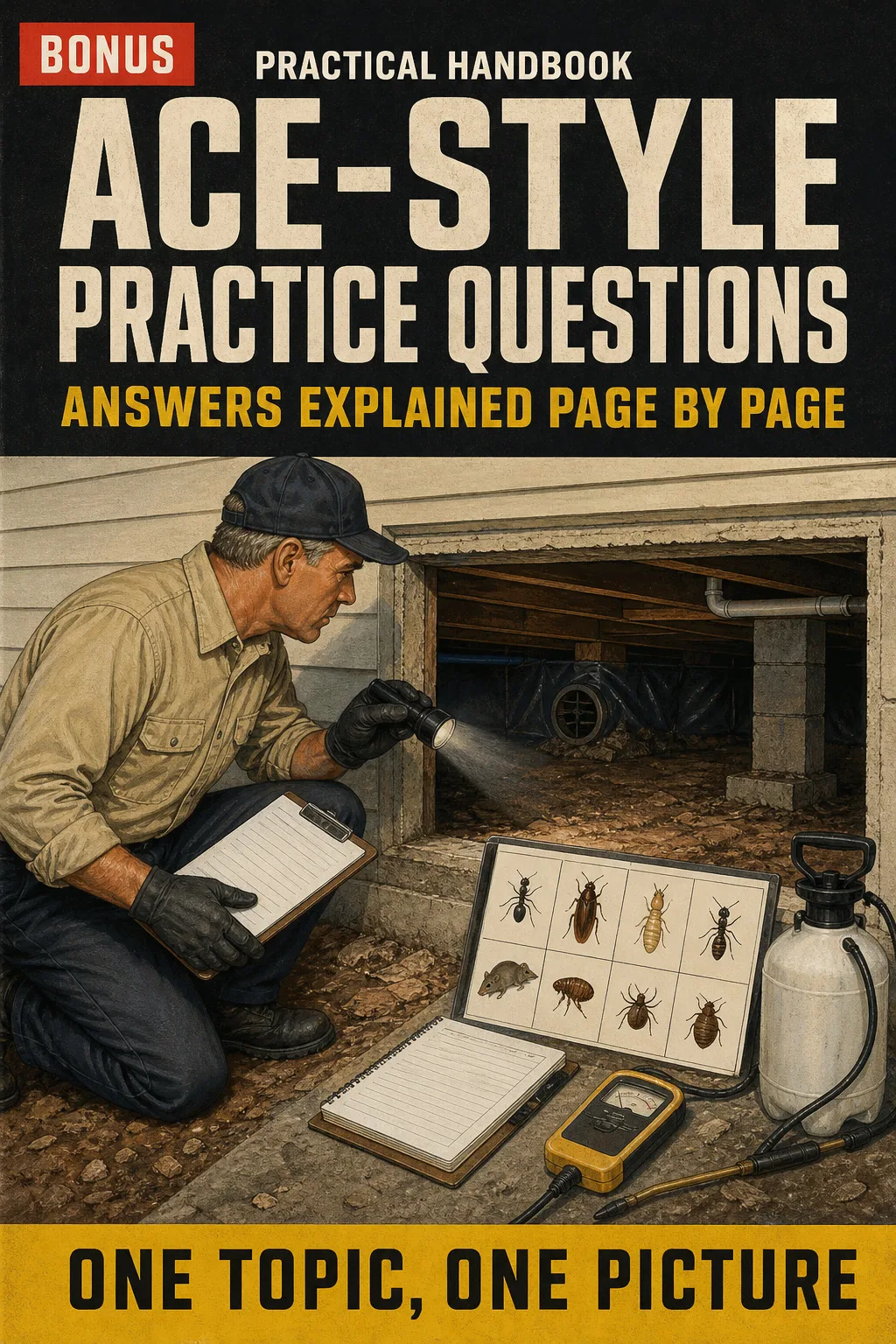
ACE-Style Practice Questions: Answers Explained Page by Page

BONUS 1: «ACE-Style Practice Questions: Answers Explained Page by Page»

Value on its own: US$ 17.90

Test yourself on IDs, life cycles, IPM thresholds and label math, and see on which page of the book each answer is drawn.

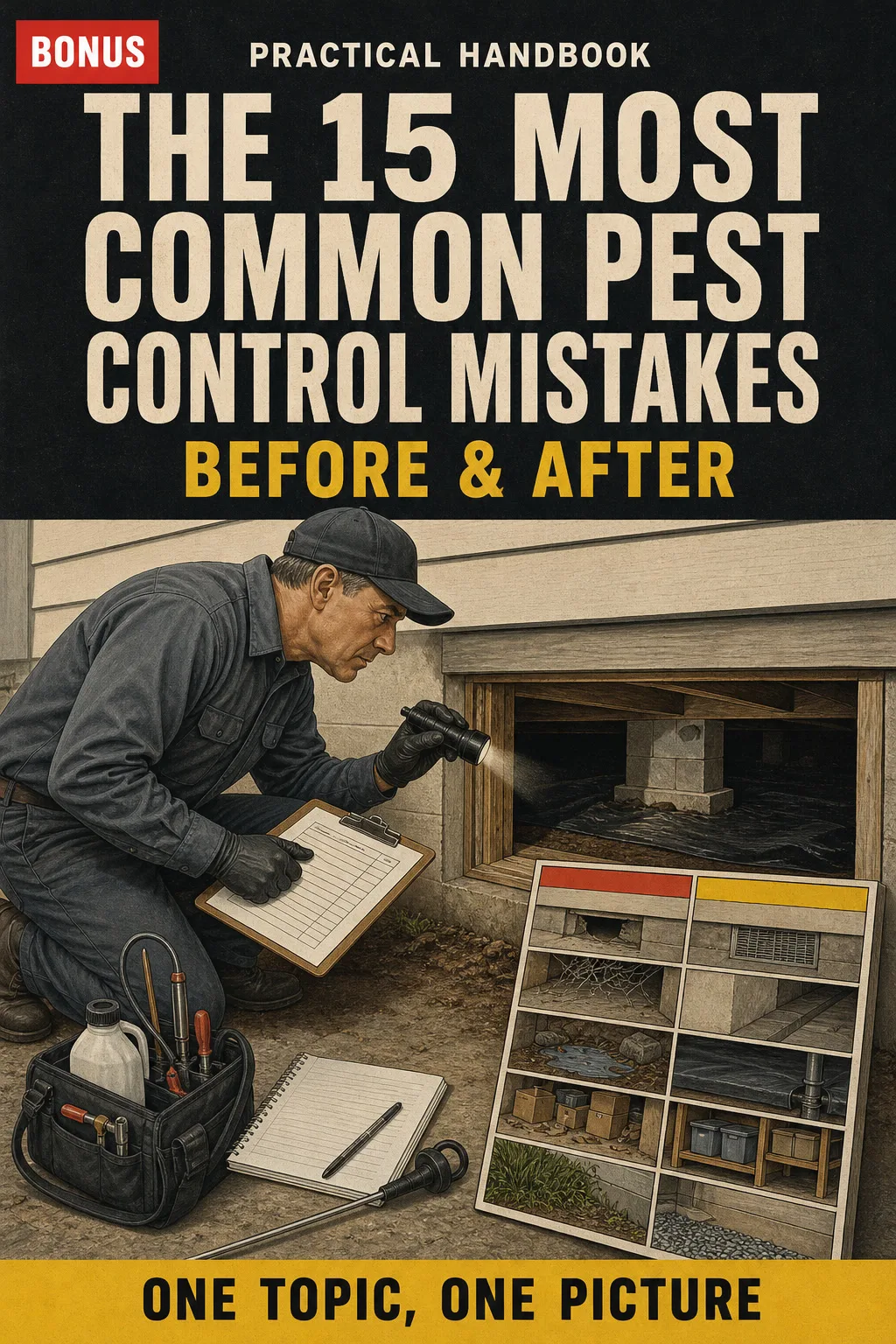
The 15 Most Common Pest Control Mistakes: Before & After

BONUS 2: «The 15 Most Common Pest Control Mistakes: Before & After»

Value on its own: US$ 14.90

Ant vs. termite swarmers, wrong calibration, treating before monitoring: each mistake drawn next to the right way, to review in minutes before the exam.

Pest Control Entomology Illustrated with 2 Free Books

  • Pest Control Entomology Illustrated: 72 illustrated pagesUS$ 63
  • BONUS 1: ACE-Style Practice Questions: Answers Explained Page by PageUS$ 17.90
  • BONUS 2: The 15 Most Common Pest Control Mistakes: Before & AfterUS$ 14.90
  • High-resolution PDF to printIncluded
Total value US$ 95.80
YOUR PRICE:
US$ 27
You save US$ 68.80
YES, I WANT PEST CONTROL ENTOMOLOGY ILLUSTRATED FOR US$ 27

📄 This is a digital PDF book sent to your email: nothing is printed or shipped.

Secure purchaseEncrypted payment30-day guarantee

PDF by email: We email you Pest Control Entomology Illustrated as a PDF, together with the two free books. It's a single payment: no installments, no extra charges.

Who This Book Is For

You're studying for the ACE

You're studying for the ACE

Orders, life cycles, IPM and label math come in the same order every time, one page per topic. Coming from ag or entomology? Part VIII covers the label, signal words and calibration.

Your exam date is close

Your exam date is close

Part IX puts the whole ID key, the look-alikes and the numbers on a few pages, and the practice questions show you which page has each answer.

You're already on the route

You're already on the route

Print the pages you use most and keep them in the truck. Ant or termite, German or brown-banded: you check it in front of the customer, in the same order.

Everything You Get Today

US$ 95.80US$ 27
YES, I WANT PEST CONTROL ENTOMOLOGY ILLUSTRATED FOR US$ 27

📄 This is a digital PDF book sent to your email: nothing is printed or shipped.

30DAYS
GUARANTEE

30-Day Guarantee

Try Pest Control Entomology Illustrated for 30 days, bonus books included.

We refund everything if the file won't open, if the book isn't what you see here, if you were charged twice or if the email doesn't arrive. Just email us.

You pay once. No subscriptions.

Frequently Asked Questions

Is it for me if I've worked in pest control for years and haven't studied in a long time?

Yes. It doesn't explain what a cockroach is. It follows the ACE exam topics published by the Entomological Society of America and puts what you already see on the route in that order: the body, the ID key, the orders, the pests and IPM. It also covers what route techs usually study least: the current classification (termites in Blattodea), the label, mixing math and calibration. Exam rules and fees are marked VERIFY.

Where does the content come from?

From the official ACE exam topics of the Entomological Society of America, EPA pesticide label guidance (FIFRA, Label Review Manual) and state pesticide agency rules. Rules, fees, requirements and deadlines are marked VERIFY so you can check them against the current official version.

Is it official material?

No. It's independent study material and has no affiliation with the ESA, the EPA or any state agency. It follows the ESA's ACE topics. Your state applicator exam has its own manual and categories: use the book to organize the topics, and check rules and categories with your state pesticide agency.

Does it replace a course or training?

No. It's for reviewing and organizing what you study. It doesn't replace your training, your state applicator license, the official ACE materials or the pesticide label.

Are the practice questions the ones on the exam?

No. They're written for this book, in the style of the topics covered, and each answer points to the page where it's drawn.

When and how do I get it?

As a PDF by email, sent to the address you enter at checkout. The 2 bonus books come the same way.

Do I have to pay every month?

No. You pay once, and the book and the 2 bonus books are yours.

Can I have it on paper?

It's a PDF, not a printed book. It prints on regular letter paper, so you can print the pages you use most and keep them in the truck.

How does the refund work?

You have 30 days. We refund everything if the file won't open, if the book isn't what you see on this page, if you were charged twice or if the email doesn't arrive: just email us.

Before You Close This Page

No more rereading chapters that don't stick.

Ant or termite swarmer: you see it drawn, and that's it.

You walk into the ACE knowing where everything is.

Drawings make studying faster.

The book is right below.

One-time payment: US$ 27 · Guarantee: 30 days · PDF by email

YES, I WANT PEST CONTROL ENTOMOLOGY ILLUSTRATED FOR US$ 27

📄 This is a digital PDF book sent to your email: nothing is printed or shipped.